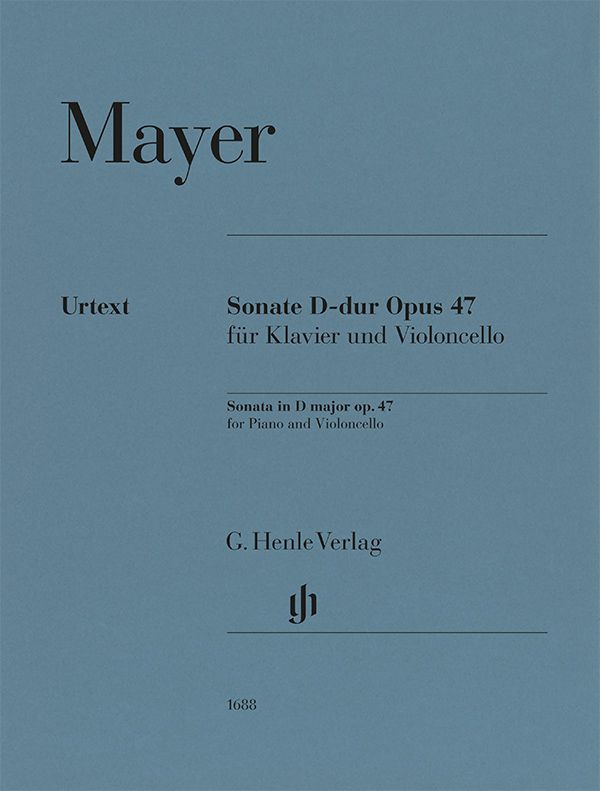
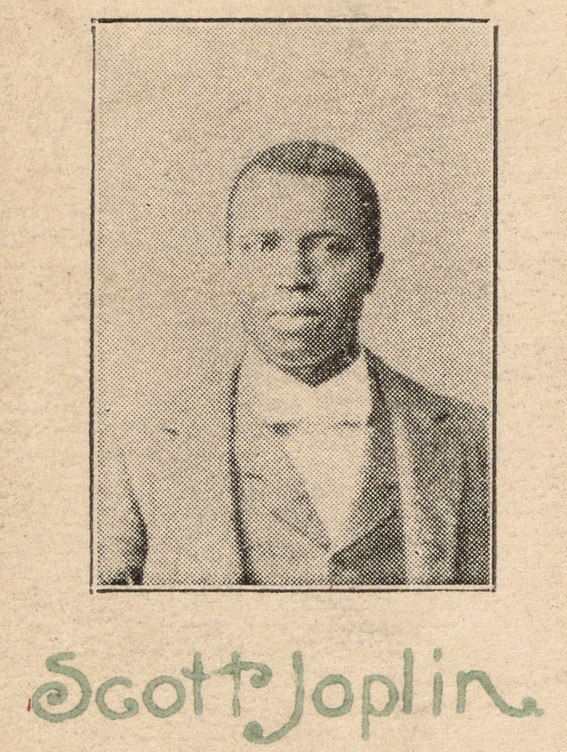
 Scott Joplin’s rags and other piano pieces belong among the classics of American music history and are played by young and old around the world. So it was long overdue for Joplin finally to appear in the familiar blue covers and be taken into the Henle Urtext canon.
One can really imagine no more appropriate editor for this project than the musicologist, conductor and pianist Joshua Rifkin, whose LP recording Piano Rags spearheaded a great Joplin revival in the 1970s. The Henle Verlag is immensely proud to be publishing together with Rifkin a two-volume edition of Joplin’s complete piano works. As a small foretaste of this publication now underway, individual editions of The Entertainer (HN 1727) and Maple Leaf Rag (HN 1728) have just been released. On this happy occasion we have conducted the following interview with him.