
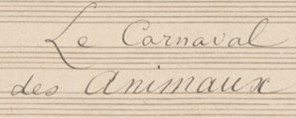
 When a composer decides against publishing one of his works during his lifetime, there are usually good reasons: Either it is a youthful or study work that would be too insignificant for publication or it represents a style that has meantime been abandoned. Or it features an occasional work in the truest sense of that word, intended only for private performance. The latter applies also to Camille Saint-Saëns’ probably most popular composition, Le Carnaval des animaux (composed in 1886, posthumously published in 1922). Continue reading
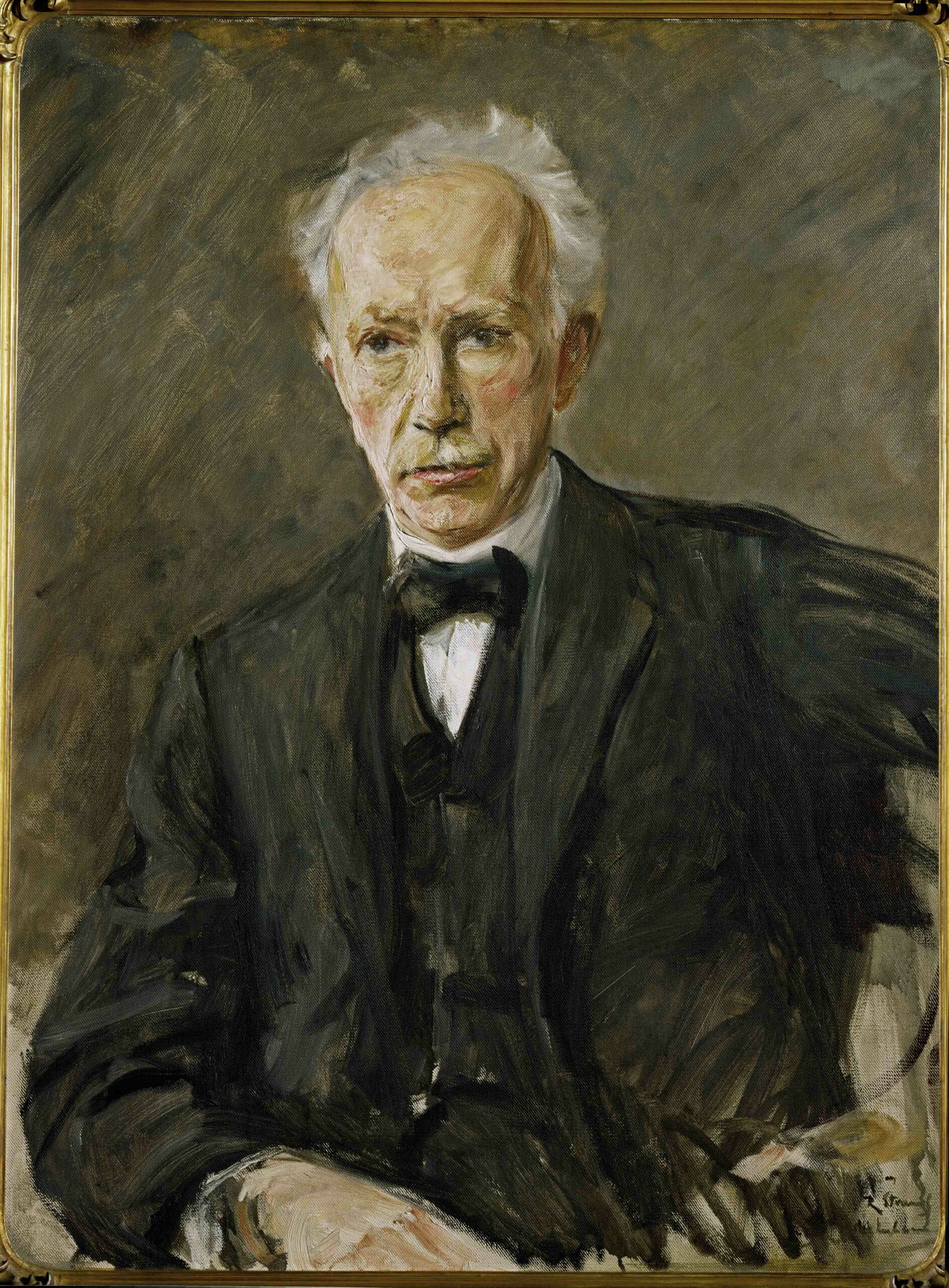
 Even though recently the focus of attention owing to their anniversaries has been on composers like Debussy, Beethoven or currently Saint-Saëns, Antonín Dvořák seems to me to be the secret luminary in the Henle programme. Since 2015, no fewer than eleven new Urtext editions of his works have been published by our publishing house, amongst them, many large and central works of his oeuvre such as the late String Quartets opp. 96, 105 und 106, the Piano Quintet op. 81, the Piano Trio op. 65 and the Humoresques for piano op. 101. Our new edition of the Wind Serenade in d minor op. 44 (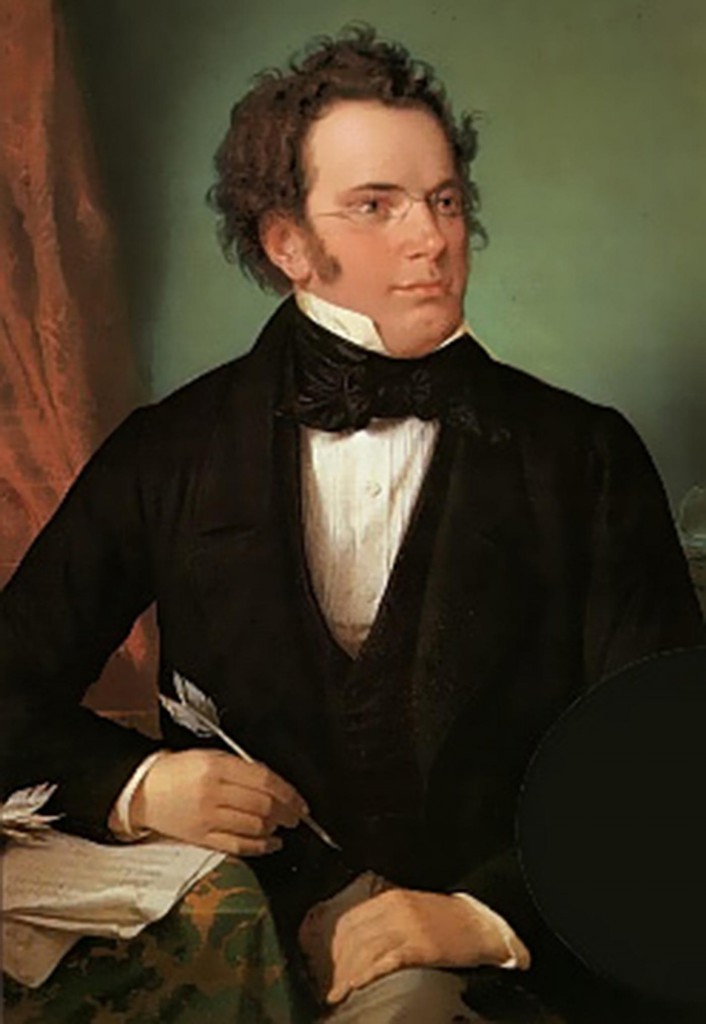
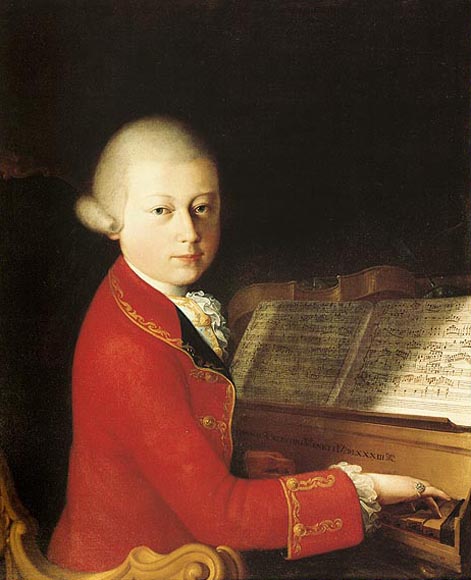

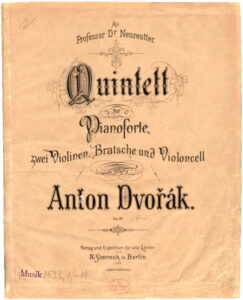 The piano quintet is, so to speak, in the “super heavyweight class” amongst chamber-music ensembles: the piano’s powerful sonority encounters an equal partner in the string quartet itself, already constituting an independent ensemble in its own right. This combination offers a wide palette of timbres that allows an enormous dynamic range, progressing from intimate duets to nearly symphonic scope.
Search
Subscribe2
-
Recent Posts
Tags
accidentals arrangements autograph Bach Bartók Beethoven Brahms Carnival Chopin Christmas clarinet Complete Edition Debussy Double bass Dvorak dynamics Fauré fingering first edition genesis Haydn horn Liszt Mendelssohn Mozart notation piano piano concerto piano sonata Rachmaninoff Ravel revision Saint-Saëns Schubert Schumann Scriabin string quartet urtext variant reading variants variations versions viola Violin Concerto Violin Sonata