
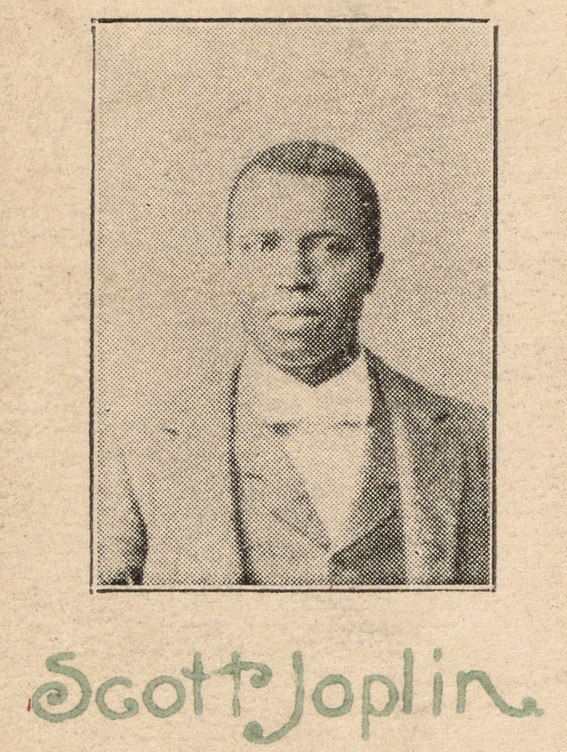
 Scott Joplin’s rags and other piano pieces belong among the classics of American music history and are played by young and old around the world. So it was long overdue for Joplin finally to appear in the familiar blue covers and be taken into the Henle Urtext canon.
One can really imagine no more appropriate editor for this project than the musicologist, conductor and pianist Joshua Rifkin, whose LP recording Piano Rags spearheaded a great Joplin revival in the 1970s. The Henle Verlag is immensely proud to be publishing together with Rifkin a two-volume edition of Joplin’s complete piano works. As a small foretaste of this publication now underway, individual editions of The Entertainer (HN 1727) and Maple Leaf Rag (HN 1728) have just been released. On this happy occasion we have conducted the following interview with him.
Dominik Rahmer, Henle Verlag: Dear Joshua, for starters a personal questions: What was your first thought as you held the freshly printed Henle editions of The Entertainer and Maple Leaf Rag in your hands?
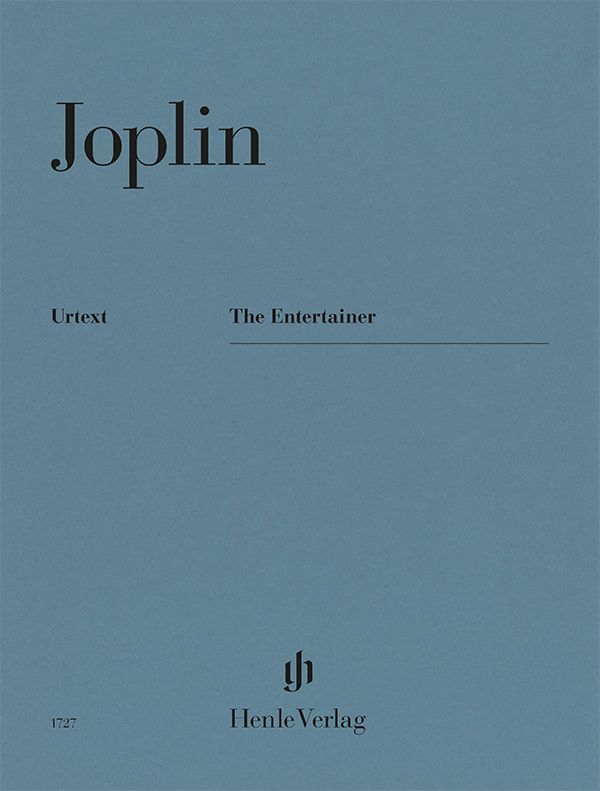 Joshua Rifkin: It’s funny: I have a sort of superstition with things that have been just published and don’t want to look at them for a time – the package with the B Minor Mass still sits unopened even after many years! But with Joplin it was clear from the start that things would be different; and when you asked me about it, I knew that the time had come.
My first thought? Pleasure, naturally, in the beautiful Henle production – the famous blue cover (here even in a new, discretely updated form), the elegant music engraving and printed texts … but still more: deeply moved to see the name Joplin here! Not to sound old-fashioned, I hope, but I feel these editions and the two-volume complete set as an obligation – an obligation already being gratifyingly fulfilled.
DR: You’re a very experienced scholar and have published a new critical edition of no less a work than Bach’s B Minor Mass, and have also edited works of Heinrich Schütz. An Urtext edition of Scott Joplin’s works must be a wholly different world – or perhaps not? What are the particular features of this edition?
JR: As you imply: Every editorial project is, on the one hand, like every other – and on the other hand, absolutely unique. Notes are notes, one could say. And yet a musical text of the early 20th century is different from those of the 17th or 18th centuries. With Bach and Schütz, for example, I didn’t have to worry about certain kinds of performance indications – for dynamics, articulation, pedaling etc. – that only later became common and that Joplin can make generous use of. With Joplin, too, the source situation looks completely different: With the B Minor Mass I was dealing with Bach’s – incidentally, very complicated – autograph score; with Schütz, too, I was concerned mostly with manuscripts. And by no means least, it was a whole new adventure for me to provide fingerings.
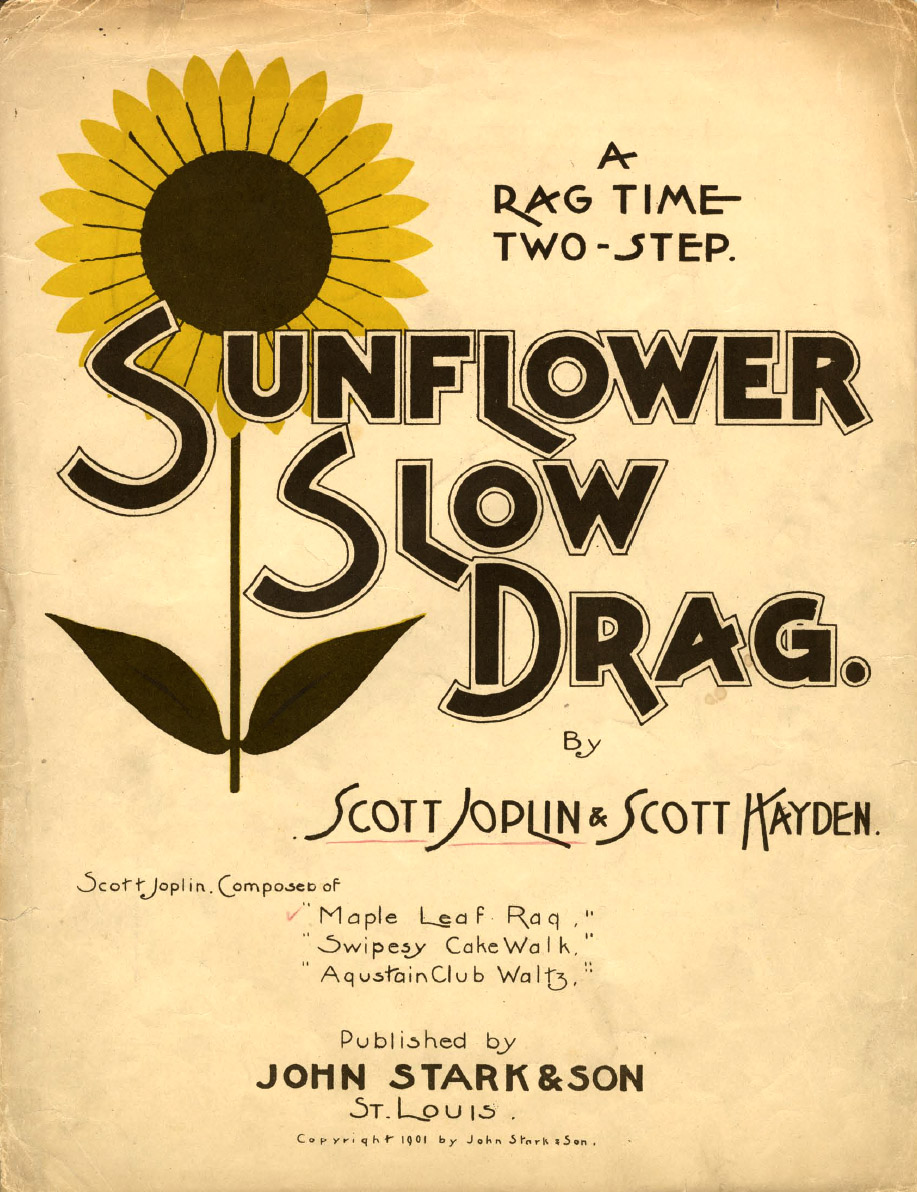 And further: Bach and Schütz are well taken care of bibliographically; one knows the sources, one knows where they are. It’s different with Joplin! To be sure, many of the copies deposited for copyright survive in Washington in the Library of Congress. But not every piece is there; and even the deposit copies in no way tell the whole history of a piece. They do mostly represent the earliest witness; but after the initial publication the pieces had a further life that we can pursue not least in the sometimes frequent reissues. Finding these and putting them in order – that can be a major challenge.
DR: Since you touch on the theme of sources: What is the situation with manuscripts? Have autograph manuscripts by Joplin survived?
JR: Sadly, we no longer have any Joplin autographs – or at least none apart from a proof sheet for his opera Treemonisha. Apparently they were still there at the start of the 1950s, but vanished after the death of Joplin’s widow. Hence only the printed editions remain – which, however, Joplin will have supervised, and which with few exceptions provide very good musical texts. Insofar as the music plates remained basically unchanged at reprintings, there are few text-critical problems in the usual sense. But there are always things to correct or supplement – and readers will find all these carefully registered in the Comments section, so that they will know exactly what they are dealing with.
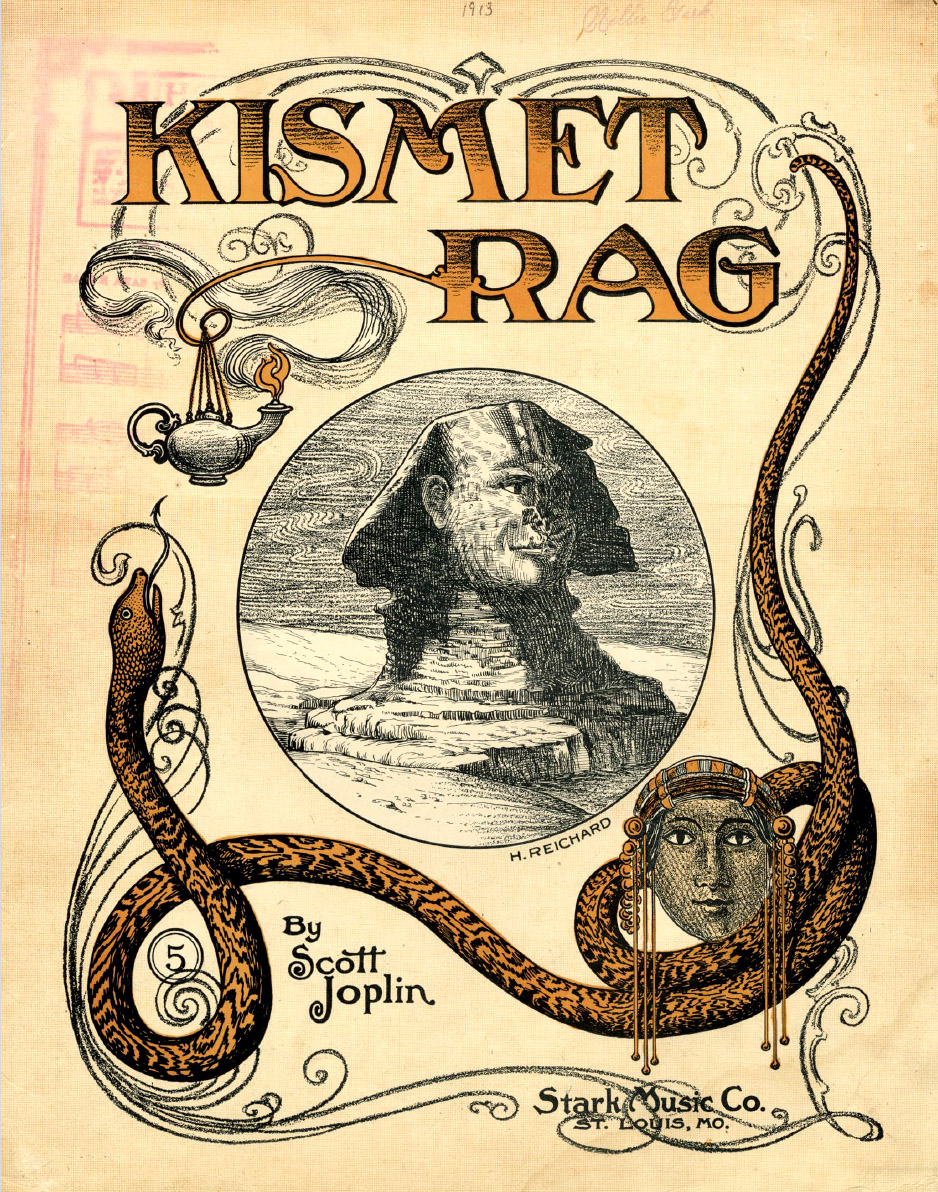 And in any event, an edition more to offer than “only” its musical text – although one should by no means underestimate the value of Henle’s so beautifully engraved music. An edition also has to provide chapter and verse: What lies behind the notes? What sort of fate did they have? Every piece, every printing, has a story; bringing these stories to light belongs among the requirements of a proper Urtext edition. They enrich the reception, the understanding of the music – and that, in the end, is also a benefit to the musical interpretation.
DR: Ragtime had its heyday before the First World War, then fell into oblivion for decades. What has that meant for the sources – do the printed editions, for example, survive in great numbers? Is it possible still to find copies of the first editions of Joplin’s more than 50 piano compositions?
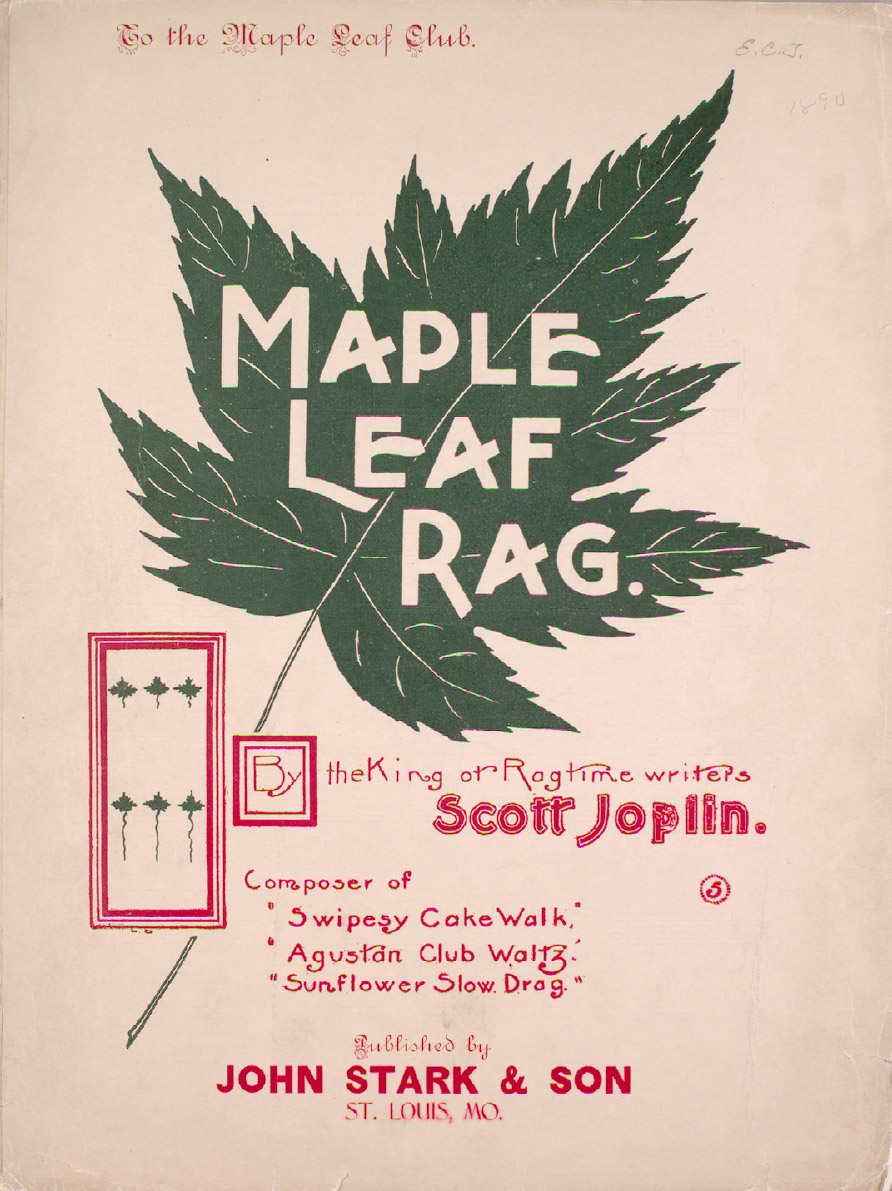 JR: You point there in fact to one of the challenges of the Joplin edition. Copies of the original printings are not found in very many public collections; until now, for example, no one has located a single example of the beautiful waltz Bethena in an institutional library – there are, so far as I know, only two copies at all, both in private hands. Indeed, quite a bit lies only in private hands; fortunately, collectors have been extremely cooperative. It’s not least through their help, for example, that I could identify almost 50 printings of Maple Leaf Rag. Surely, further printings of all pieces will come to light as the work progresses.
DR: In Joplin’s lifetime (he died in 1917) record players and reproducing pianos were already widespread – are there recordings of him at the piano that could be used as audio sources.?
 JR: There are some piano rolls that are said to have been played by Joplin. But they’re not wholly free of problems: At the time they were produced, Joplin was already ill and no longer at the height of his pianistic abilities – and he was never a virtuoso anyway. Moreover, it was possible to intervene in the original recordings and add or otherwise alter notes. Fortunately, I didn’t really have to worry about this with the first new editions, Maples Leaf Rag and The Entertainer. In the future I’ll probably draw on the rolls in individual cases: For instance, in the beautiful rag Weeping Willow there’s a very attractive variant in the last strain. That obviously will not appear in the principal text; but I can imagine printing it in a footnote or at least referring to it in the Commentary.
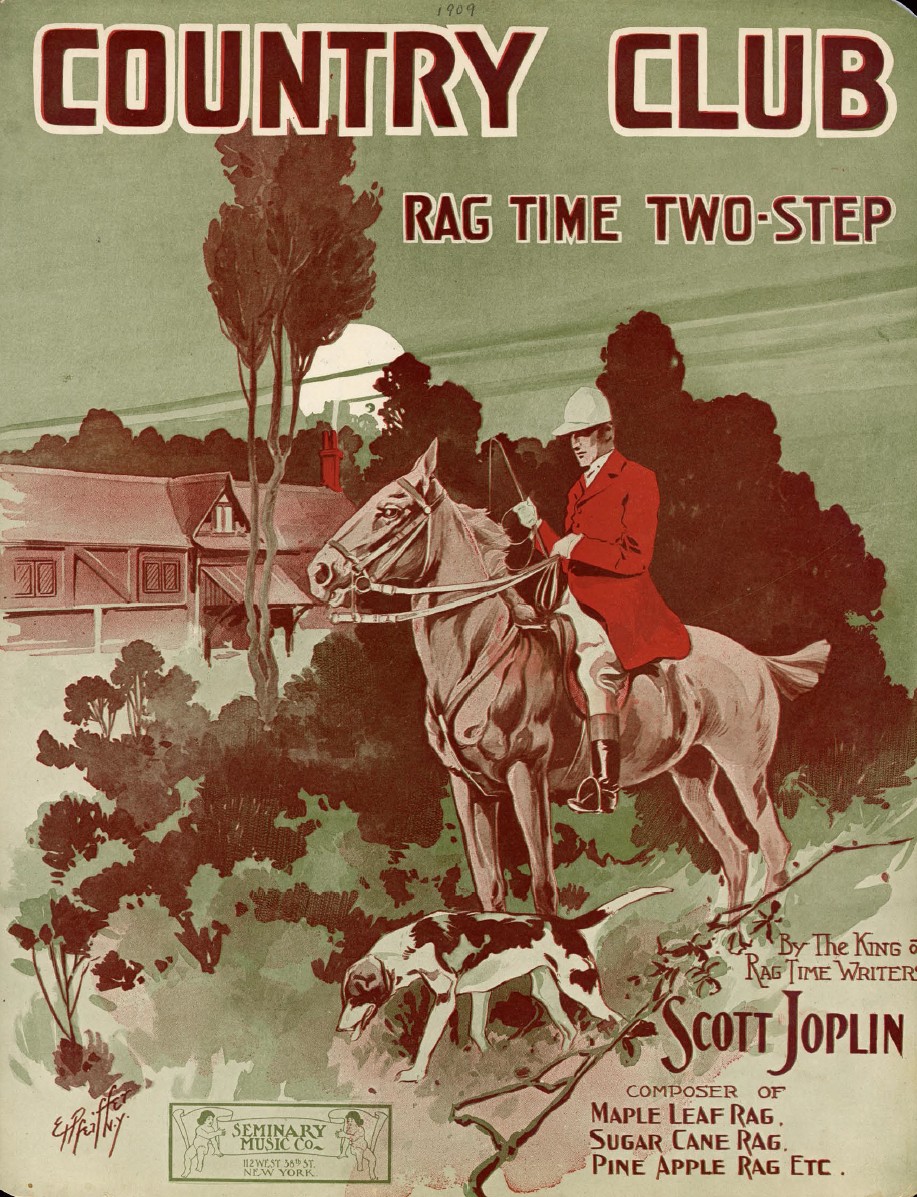
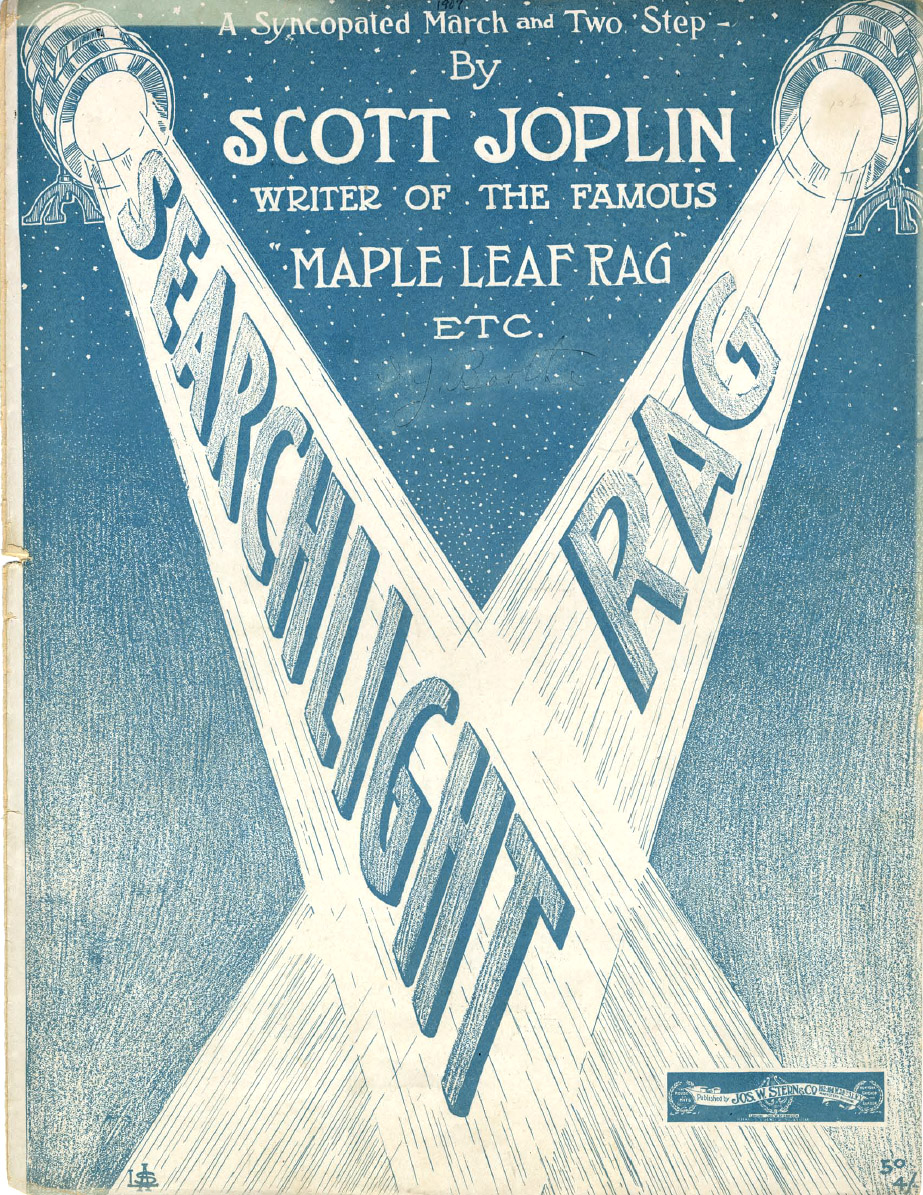
DR: From about 1901 onwards, covers of Maple Leaf Rag have a line above Joplin’s name reading “King of Ragtime writers”, which seems rather self-possessed … Was this “advertising slogan” the publishers’ idea or Joplin’s? And does the label correspond to reality – was Joplin at this time really a star in the music world of the U.S.A.?
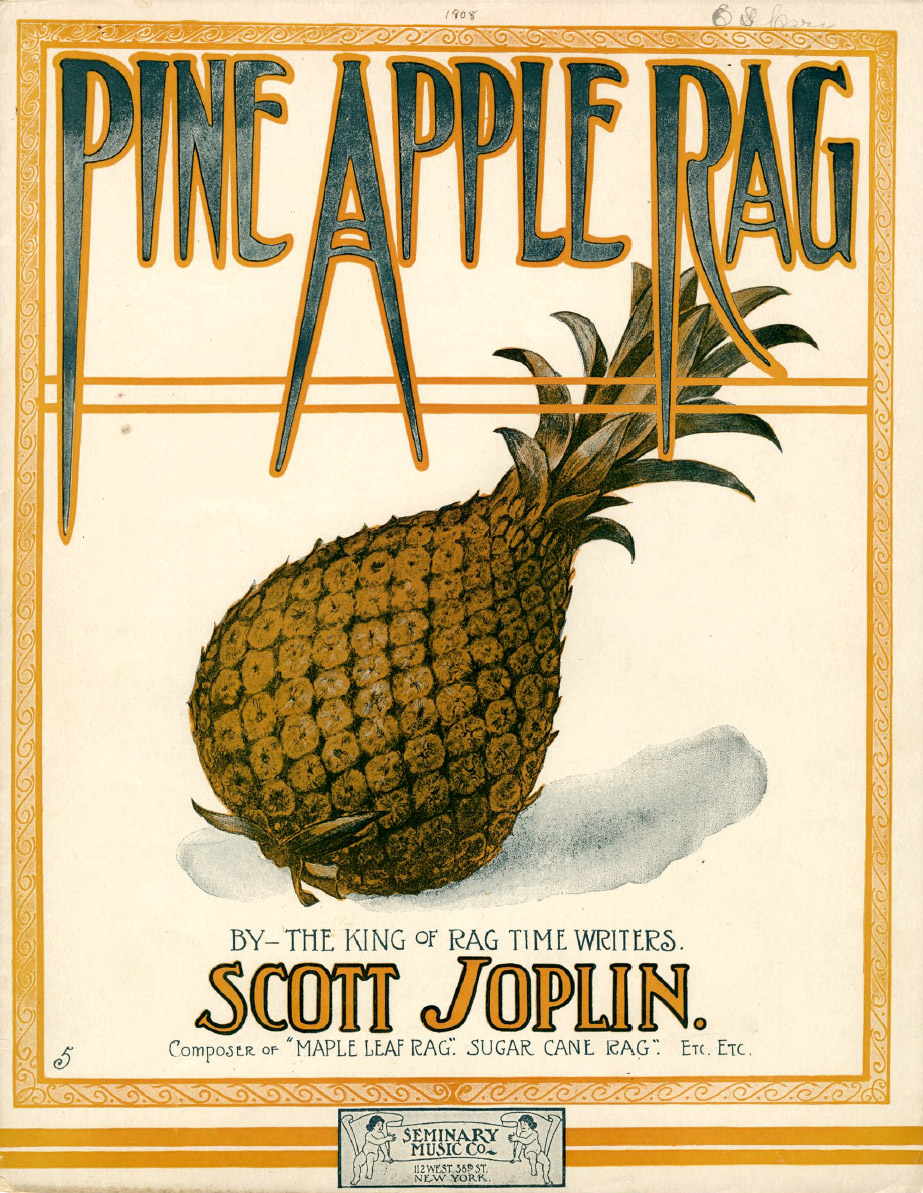 JR: “King of Ragtime writers” appears not only on Maple Leaf Rag but on quite a few rags. For a long time it was – at least implicitly –ascribed to the publishers. In the course of research for the new edition, however, it turned out that it indeed came from Joplin himself. He was, according to all evidence, a man of reserved and modest bearing. But he knew who he was, and what he had created. And in any event, it was true! Virtually from the moment Maple Leaf Rag appeared in print, he was recognized everywhere as the greatest ragtime composer.
DR: The Entertainer and Maple Leaf Rag are nowadays by far Joplin’s most popular pieces. Was it that way in his lifetime, or has public taste changed?
 JR: Maple Leaf Rag was indeed a huge success, supposedly selling something like a million copies. Whether that’s entirely true or not, I can’t say. But as already noted, the publisher, John Stark, had constantly to bring out new printings. No other rag – and not only by Joplin – had anything like this success. Perhaps surprisingly, though, it was different with The Entertainer. There were relatively few reprintings, and while Maple Leaf Rag sold some 15,500 copies in an eighteen-month stretch for which we happen to have the figures, Stark’s business ledgers recorded fewer than 200 sales of The Entertainer. It’s almost unnecessary to say that people will be able to read about this in the new edition.
DR: In a few weeks, on 13 November 2026, The Morgan Library & Museum in New York will open a large exhibition on the theme “Ragtime: Cakewalk in Pianoland”. Do you think interest in ragtime is being newly awakened, and will other composers of this era gradually be discovered?
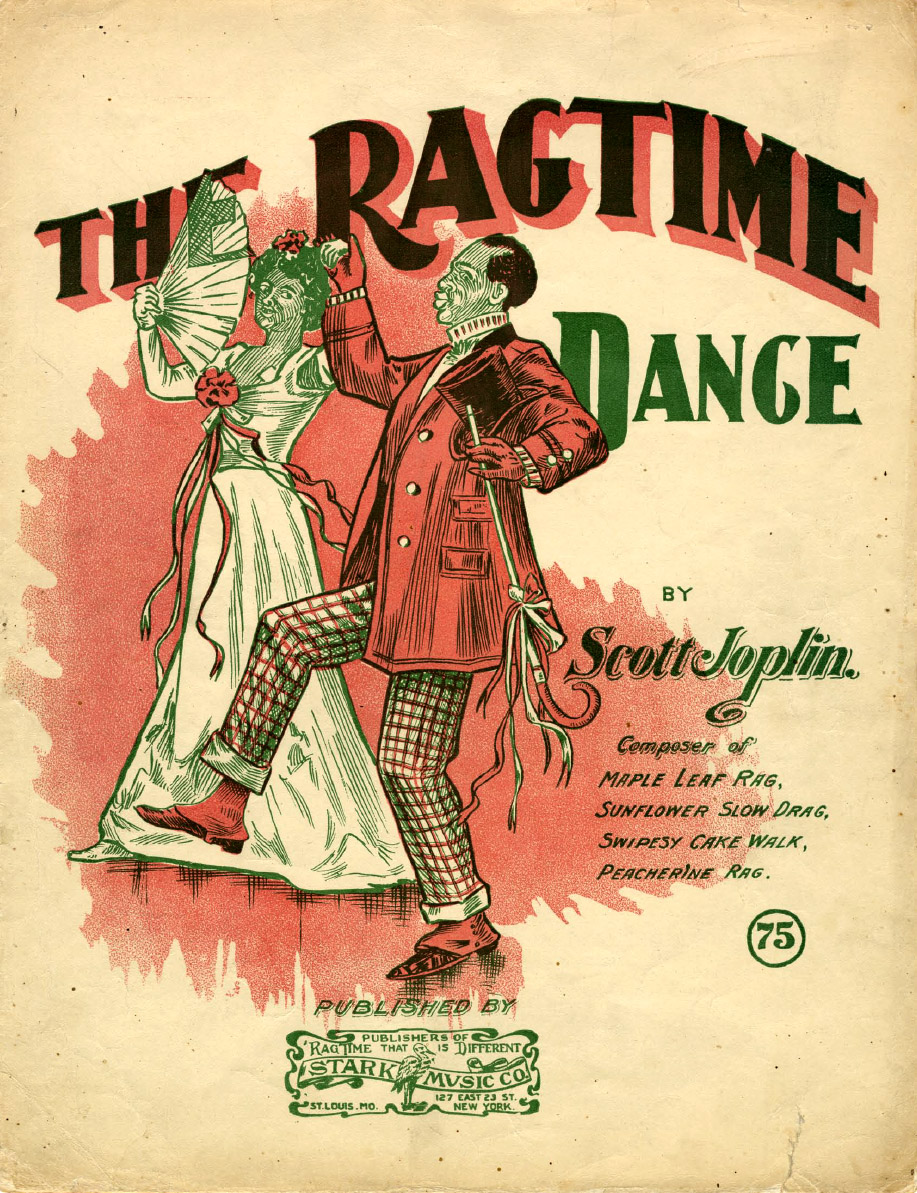 JR: I’m greatly looking forward to the Morgan exhibition, for which I’ve had the good fortune to serve in a modest degree as a consultant. I find it wonderful that such a prestigious institution like the Morgan Library & Museum recognizes the importance of ragtime, for ragtime was a significant cultural phenomenon and remains an often utterly captivating music! There were indeed other excellent ragtime composers along with Joplin: James Scott and Joseph F. Lamb as the best-known, but also quite a few who left us at least some pieces of very high quality. But Joplin was primus inter pares – indeed the King of Ragtime.
DR: Many thanks, Joshua, for this conversation!