
 An Urtext edition – and not just only from Henle publishers – is generally considered to be based on a critical examination of all a work’s sources, which are then also described and evaluated in a commentary section and used to document the editorial decisions. Looking more closely at these Comments in our Urtext editions, you might think that these sources include only music manuscripts and printed editions. This is, of course, only half the story, for besides such primary sources, numerous secondary sources – be they reviews or programme booklets, publishing-house business records or the composer’s diaries and correspondence – also play a role in giving important information for the edition – for example, about the dating of a work or the authorisation of an arrangement. This other type of source is usually mentioned only very briefly in Henle’s Preface – but this should not belie the fact that finding and evaluating these sources can sometimes be more time consuming than merely editing the work. Continue reading


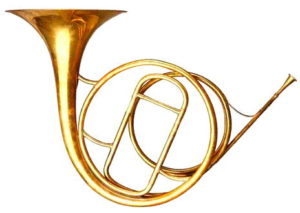 A few days ago a customer enquiry momentarily gave me pause: Whether our new edition of the Johannes Brahms Horn Trio in E-flat major op. 40 (
Search
Subscribe2
-
Recent Posts
Tags
accidentals arrangements autograph Bach Bartók Beethoven Brahms Carnival Chopin Christmas clarinet Complete Edition Debussy Double bass Dvorak dynamics Fauré fingering first edition genesis Haydn horn Liszt Mendelssohn Mozart notation piano piano concerto piano sonata Rachmaninoff Ravel revision Saint-Saëns Schubert Schumann Scriabin string quartet urtext variant reading variants variations versions viola Violin Concerto Violin Sonata