
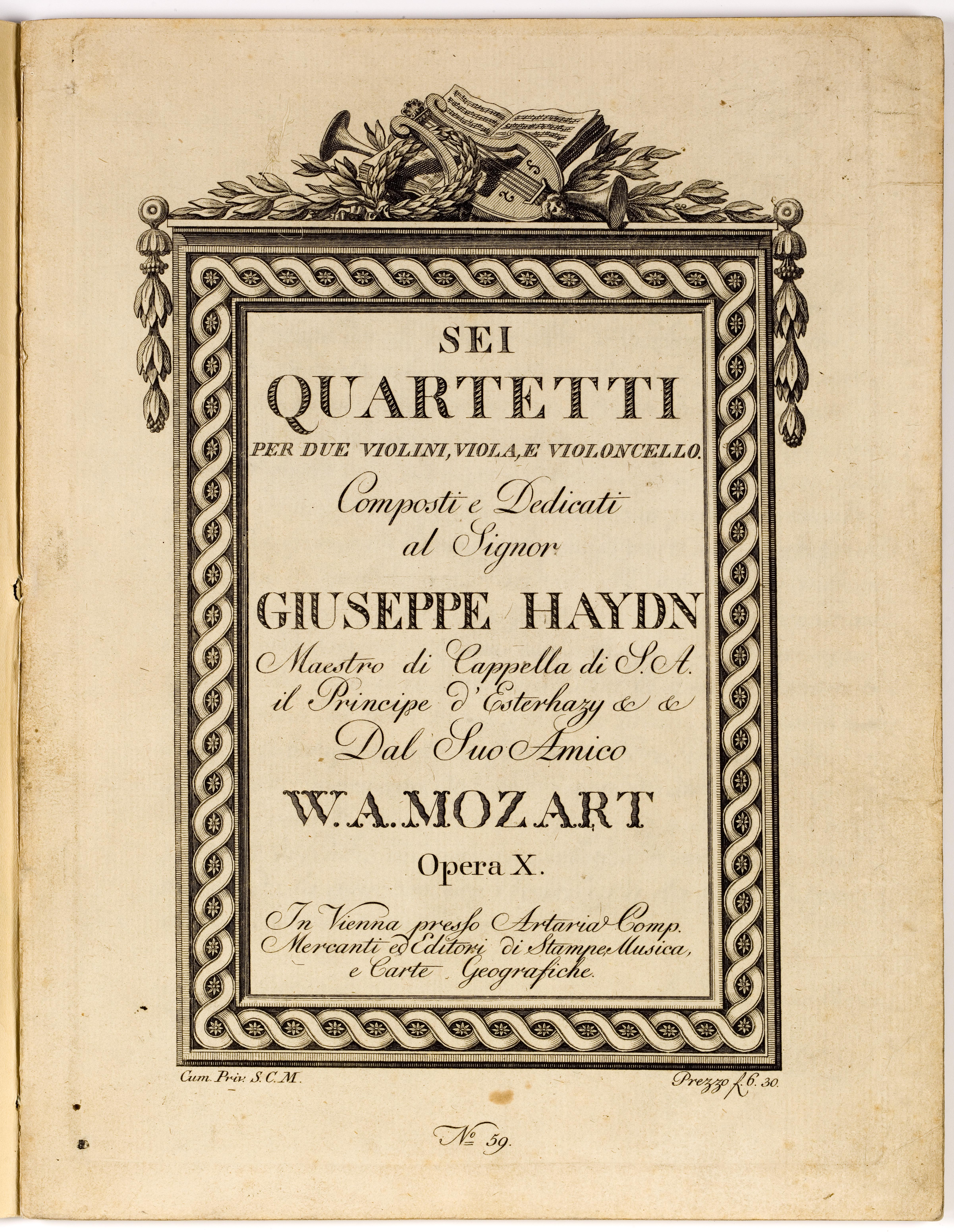
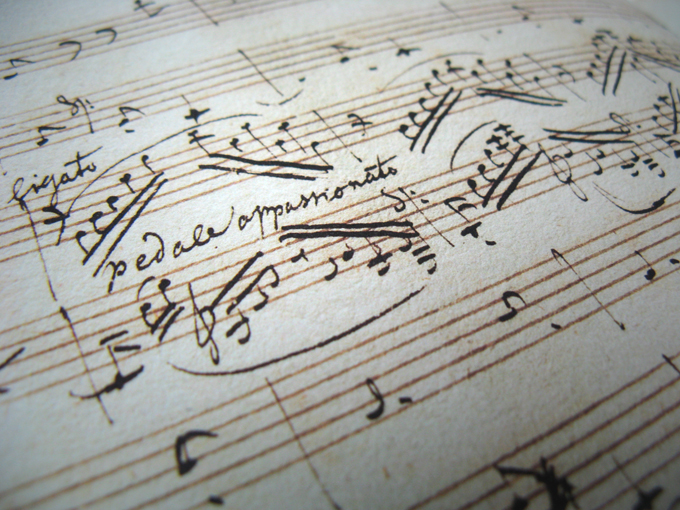
 When the composer’s autograph manuscript of a music work is extant, then we have a unique opportunity of “looking over the creator’s shoulder” as the ideas are being written down. The mysterious creative process is nevertheless revealed only to those who can then question the existing autograph text, going beyond what is purely philological, editorially speaking. It is my firm conviction that here autograph corrections are the ideal way to start. The musico-analytical curiosity that asks of a correction, “Why?”, in qualitative terms, opens a door otherwise forever closed. Continue reading
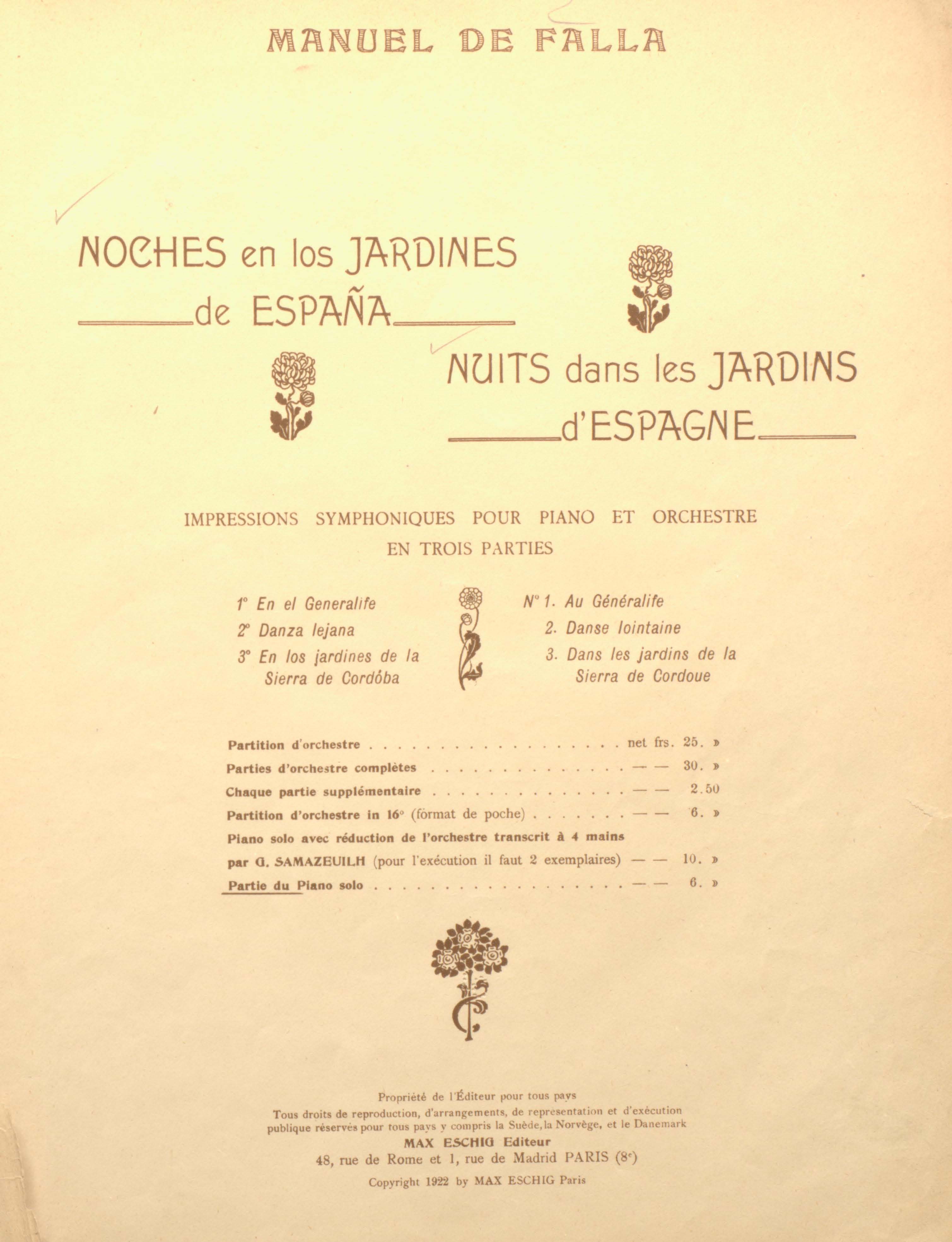
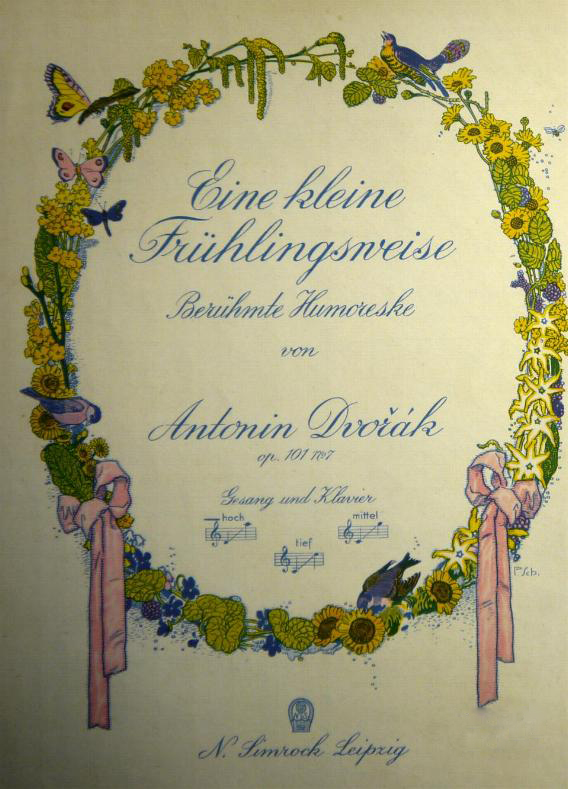
 Are you also one of those manuscript hunters on the Internet? It is, indeed, almost incredible how many music autographs have become freely accessible there these recent years. Whether we visit composers’ pages like
Search
Subscribe2
-
Recent Posts
- 25 Etudes, but not just finger exercises – Friedrich Burgmüller’s famous opus 100
- Summer Break
- Culminating a great female composer’s career: Emilie Mayer’s Cello Sonata in D major, op. 47 – new in the Henle Urtext
- An anniversary tribute 200 years after his death: Carl Maria von Weber’s Bassoon Concerto, op. 75, now available in Henle Urtext
- Fanny Hensel’s Lieder on the Rise
Tags
accidentals arrangements autograph Bach Bartók Beethoven Brahms Carnival Chopin Christmas clarinet Debussy Double bass Dvorak facsimile Fauré fingering first edition genesis Haydn Hoffmeister horn Liszt Mozart notation piano piano concerto piano sonata Rachmaninoff Ravel revision Saint-Saëns Satie Schubert Schumann Scriabin string quartet urtext variant reading variants variations versions viola violin Violin Sonata