
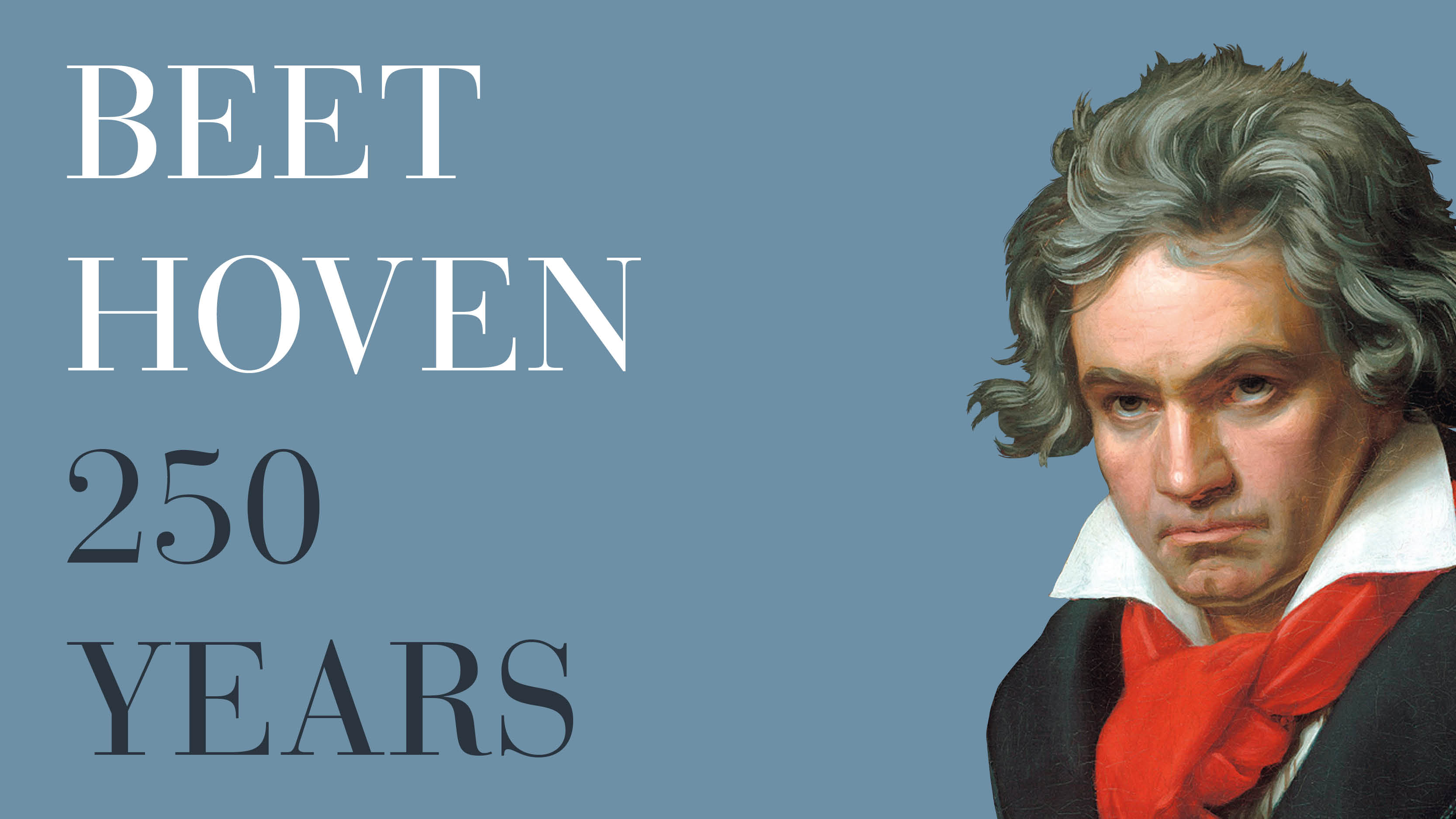
 As we were celebrating our 200th blog post two weeks ago, my colleague Wolf-Dieter Seiffert cast a splendid glance back at the many highly interesting and, we hope, entertaining articles that our blog team has written since 2011. Today I am looking ahead, because for Henle publishers next year is a very special one, the 250th birthday of the very greatest: LUDWIG VAN BEETHOVEN. Our blog will inevitably also be part and parcel of the excitement, so here, too, we’ll be paying special homage to the Viennese master in 2020, with all of the upcoming 20 plus blog posts from now until Christmas next year revolving around Ludwig van Beethoven! Continue reading
 You are reading the 200th post of the Henle blog. Two hundred! Hard to believe. So many exciting, informative, entertaining original texts. Thoroughly researched essays from our editorial staff on music sources, reading variants, philologically interesting things about new publications, and so much more.



Search
Subscribe2
-
Recent Posts
- 25 Etudes, but not just finger exercises – Friedrich Burgmüller’s famous opus 100
- Summer Break
- Culminating a great female composer’s career: Emilie Mayer’s Cello Sonata in D major, op. 47 – new in the Henle Urtext
- An anniversary tribute 200 years after his death: Carl Maria von Weber’s Bassoon Concerto, op. 75, now available in Henle Urtext
- Fanny Hensel’s Lieder on the Rise
Tags
accidentals arrangements autograph Bach Bartók Beethoven Brahms Carnival Chopin Christmas clarinet Debussy Double bass Dvorak facsimile Fauré fingering first edition genesis Haydn Hoffmeister horn Liszt Mozart notation piano piano concerto piano sonata Rachmaninoff Ravel revision Saint-Saëns Satie Schubert Schumann Scriabin string quartet urtext variant reading variants variations versions viola violin Violin Sonata