
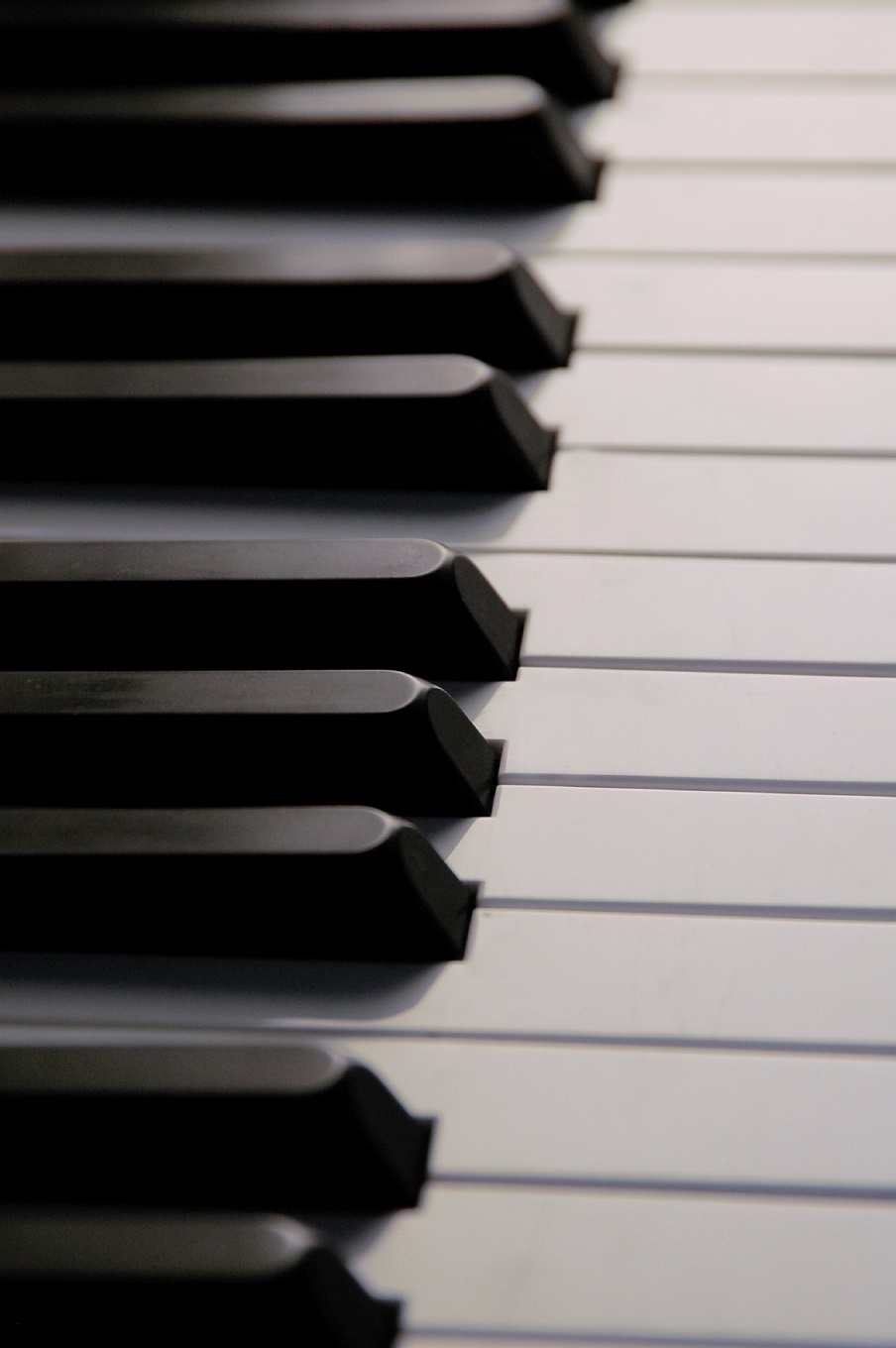
 Here’s a topic that pianists have been discussing since the 19th century: Is it OK to change the music text in Beethoven’s piano sonatas (and, of course, anywhere else, too) and extend the pitch range downward at several spots in the left hand? Because even though to some extent keys for the low pitches E1 to C1 were in fact available on English pianos from ca. 1800, they were clearly first “used” in Beethoven’s piano sonatas, however, only later. Up until the piano sonata op. 101, composed between 1815 and the start of 1817, Beethoven faithfully respected the limitation of the pitch-range down to F1 – his music was after all supposed to be playable on a “normal” piano. Continue reading



Search
Subscribe2
-
Recent Posts
- 25 Etudes, but not just finger exercises – Friedrich Burgmüller’s famous opus 100
- Summer Break
- Culminating a great female composer’s career: Emilie Mayer’s Cello Sonata in D major, op. 47 – new in the Henle Urtext
- An anniversary tribute 200 years after his death: Carl Maria von Weber’s Bassoon Concerto, op. 75, now available in Henle Urtext
- Fanny Hensel’s Lieder on the Rise
Tags
accidentals arrangements autograph Bach Bartók Beethoven Brahms Carnival Chopin Christmas clarinet Debussy Double bass Dvorak facsimile Fauré fingering first edition genesis Haydn Hoffmeister horn Liszt Mozart notation piano piano concerto piano sonata Rachmaninoff Ravel revision Saint-Saëns Satie Schubert Schumann Scriabin string quartet urtext variant reading variants variations versions viola violin Violin Sonata